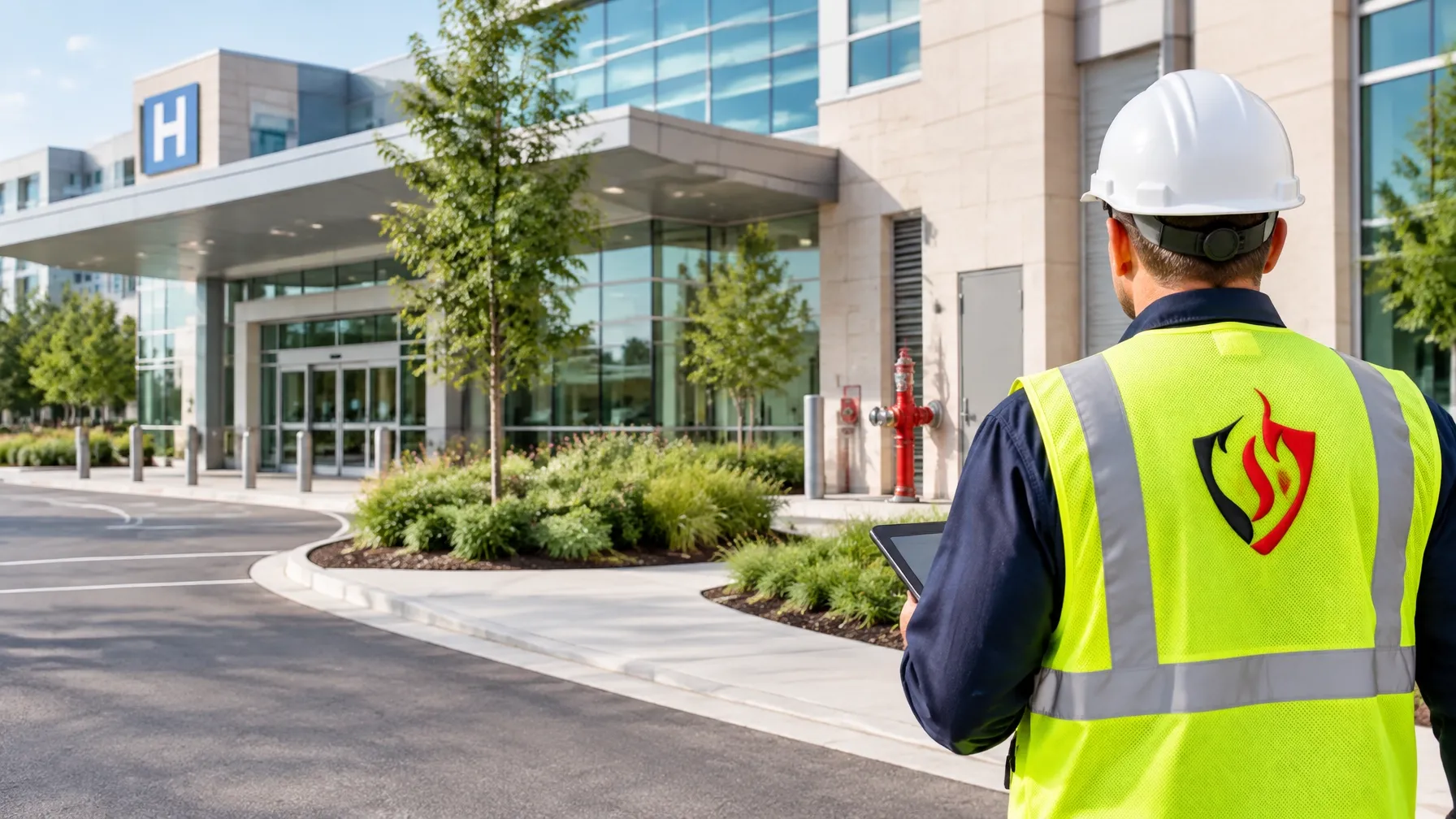
Hospitals & Surgery Centers
In healthcare environments, fire protection systems need dependable inspection and service with care for the facility’s day-to-day operations.
SAFETY. SERVICE. CONFIDENCE.
Fire protection expertise
for safer buildings.
COMPLETE FIRE & LIFE SAFETY
QUICK FREQUENCY GUIDE
Tap each system for a few common inspection and testing intervals.
Common examples: control-valve checks range from weekly to monthly or quarterly depending on supervision; some gauges and alarms are checked monthly, quarterly, or semiannually; annual system checks and five-year internal assessments apply to specific components.
The exact schedule depends on wet/dry/preaction design, water-supply components, and supervision.
NFPA 25 frequency overview ↗Typically annual: inspect and operate private hydrants. Some private fire-main components also require five-year internal assessments; flow-test schedules depend on the purpose, local requirements, and system design.
NFPA 25 reference ↗Typically annually: test fire-protection backflow preventers, with a qualified tester, in line with local water-authority rules and the device’s listing.
Requirements and reporting schedules vary by jurisdiction and assembly type; verify the schedule with your local water provider or AHJ.
Often: semiannual visual inspections and annual functional tests for many devices. Some initiating, notification, and control components have different intervals under NFPA 72.
Device type and the applicable NFPA 72 table determine the schedule.
NFPA 72 reference ↗Common test schedule: monthly functional test for at least 30 seconds and an annual test for 90 minutes for emergency lighting equipment, subject to the adopted Life Safety Code and system type.
NFPA 101 reference ↗Monthly: visual inspection. Annually: maintenance by a qualified provider. Internal maintenance and hydrostatic testing are scheduled at longer intervals based on extinguisher type.
NFPA 10 guidance ↗Commercial kitchen hood systems: inspection and maintenance at least every six months. Clean-agent, foam, and other suppression systems use their own standards and component-specific schedules.
NFPA 17A reference ↗Weekly or monthly: no-flow (churn) tests, depending on pump type and installation. Annually: flow testing. Frequency and qualified-person requirements vary by configuration.
NFPA fire pump overview ↗Educational overview only, not a compliance determination or complete checklist. Intervals vary by equipment, adopted code edition, manufacturer instructions, occupancy, and the local Authority Having Jurisdiction (AHJ). Some routine checks are assigned to facility staff; testing and maintenance may require qualified service providers. Safeway can help review your system and records.
Select the systems you’d like included in your inspection quote.
INSTALLATION & SERVICE
Choose the request that best fits your building.
CONSULTING
Tell us what you need a solution for, and our team will follow up.
Safeway Fire Protection provides fire protection services to a broad range of businesses across Georgia, including school systems, sporting and concert venues, residential communities, office buildings, manufacturing facilities, hospitals and surgery centers, warehouses and distribution facilities, and high-rise commercial buildings.
In healthcare environments, fire protection systems need dependable inspection and service with care for the facility’s day-to-day operations.
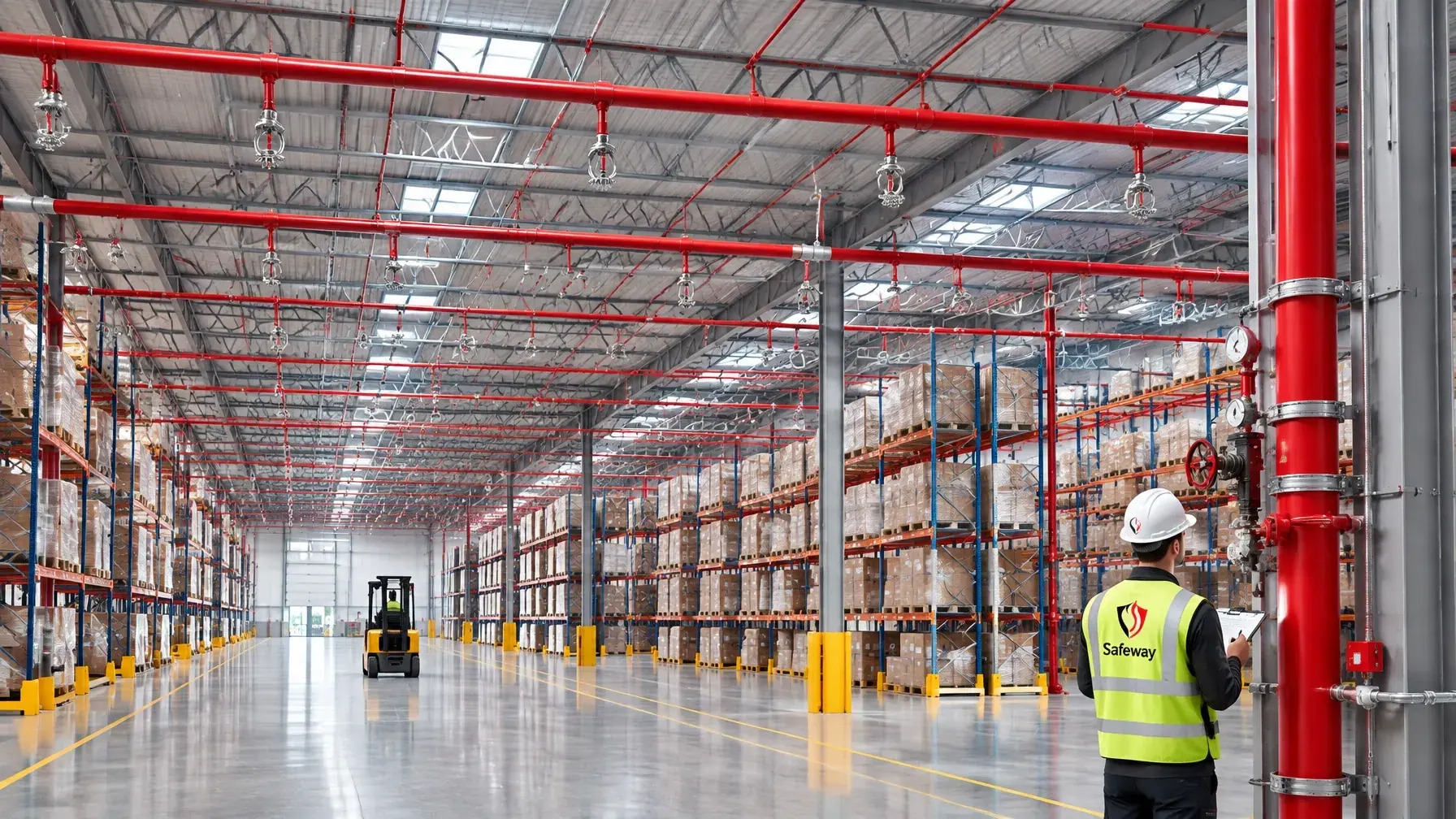
Large storage and distribution buildings depend on coordinated sprinkler and life-safety systems across expansive spaces.
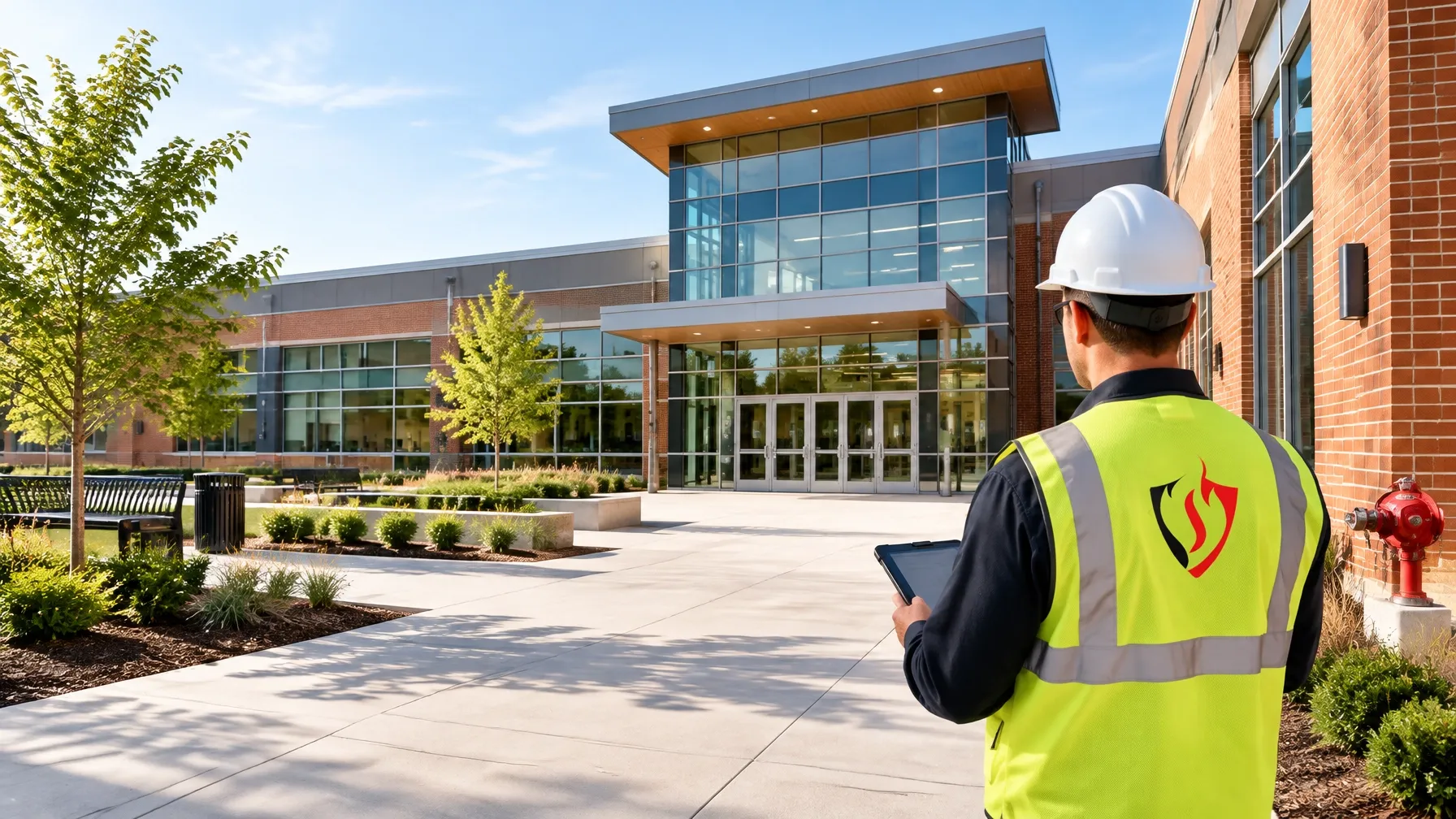
We support education facilities with fire protection services shaped around the needs of buildings used by students and staff.
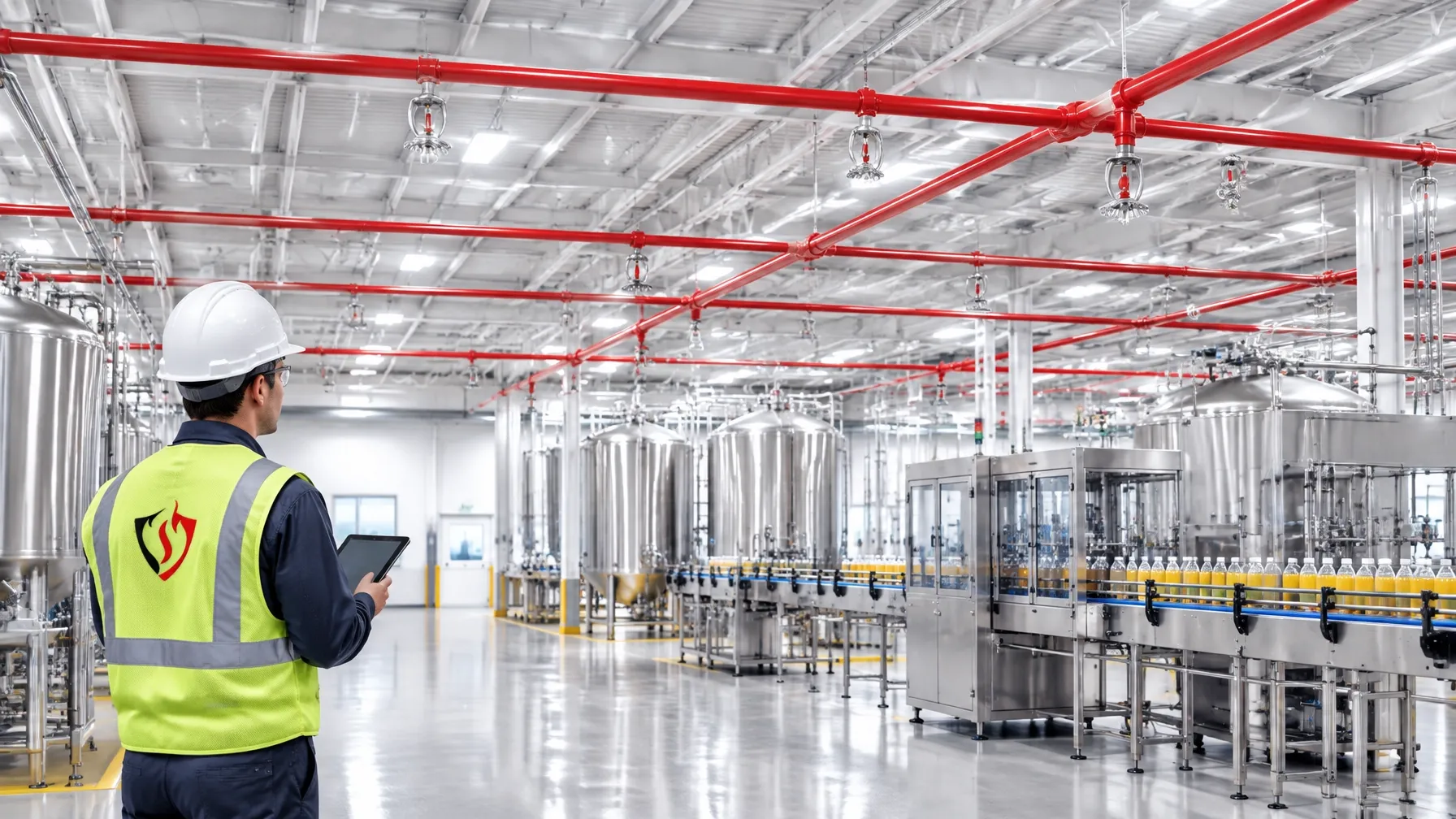
Industrial operations call for knowledgeable attention to fire protection equipment, system condition, and ongoing compliance needs.
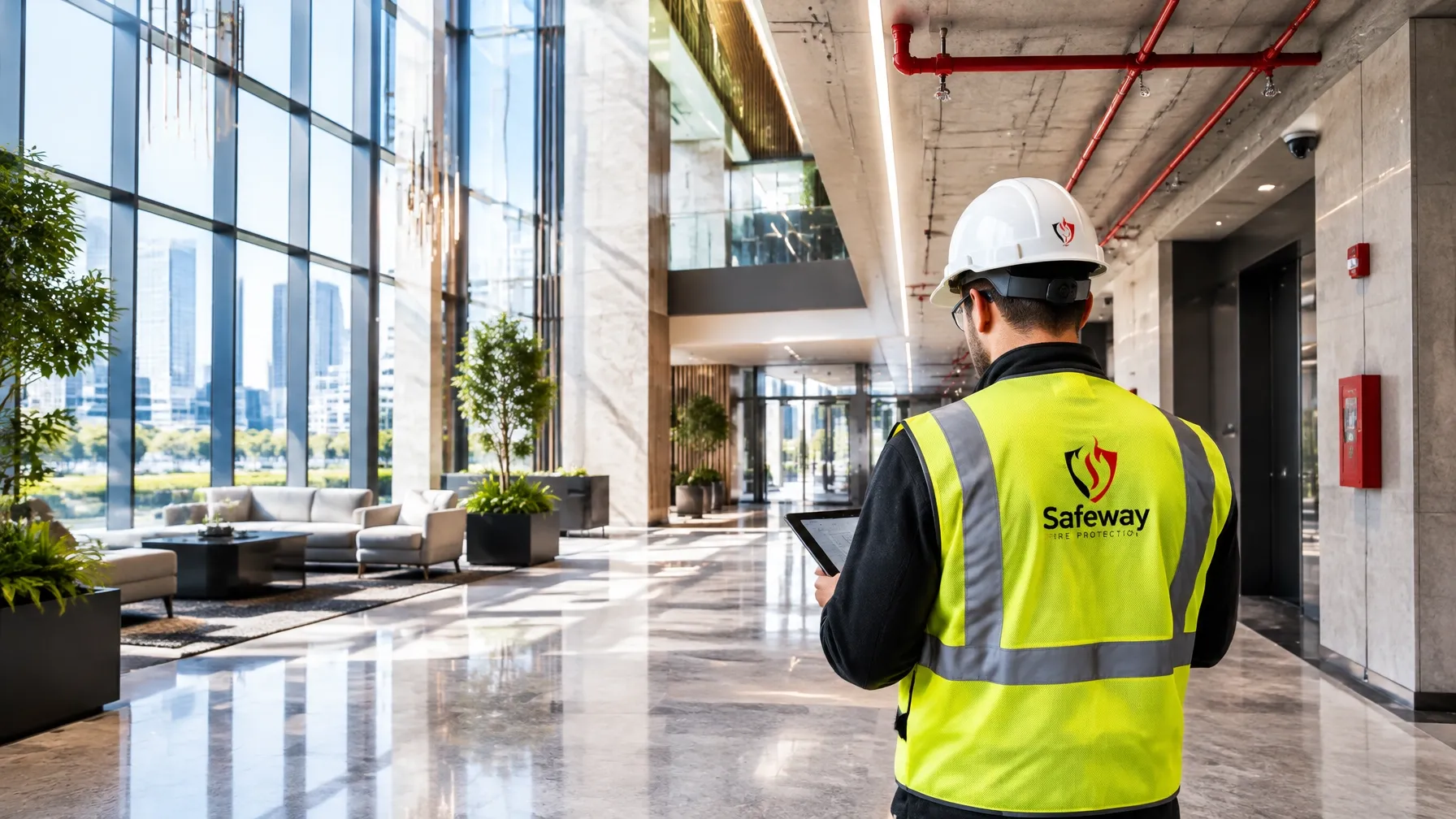
From vertical office towers to complex commercial properties, our teams help building owners manage fire and life-safety requirements.
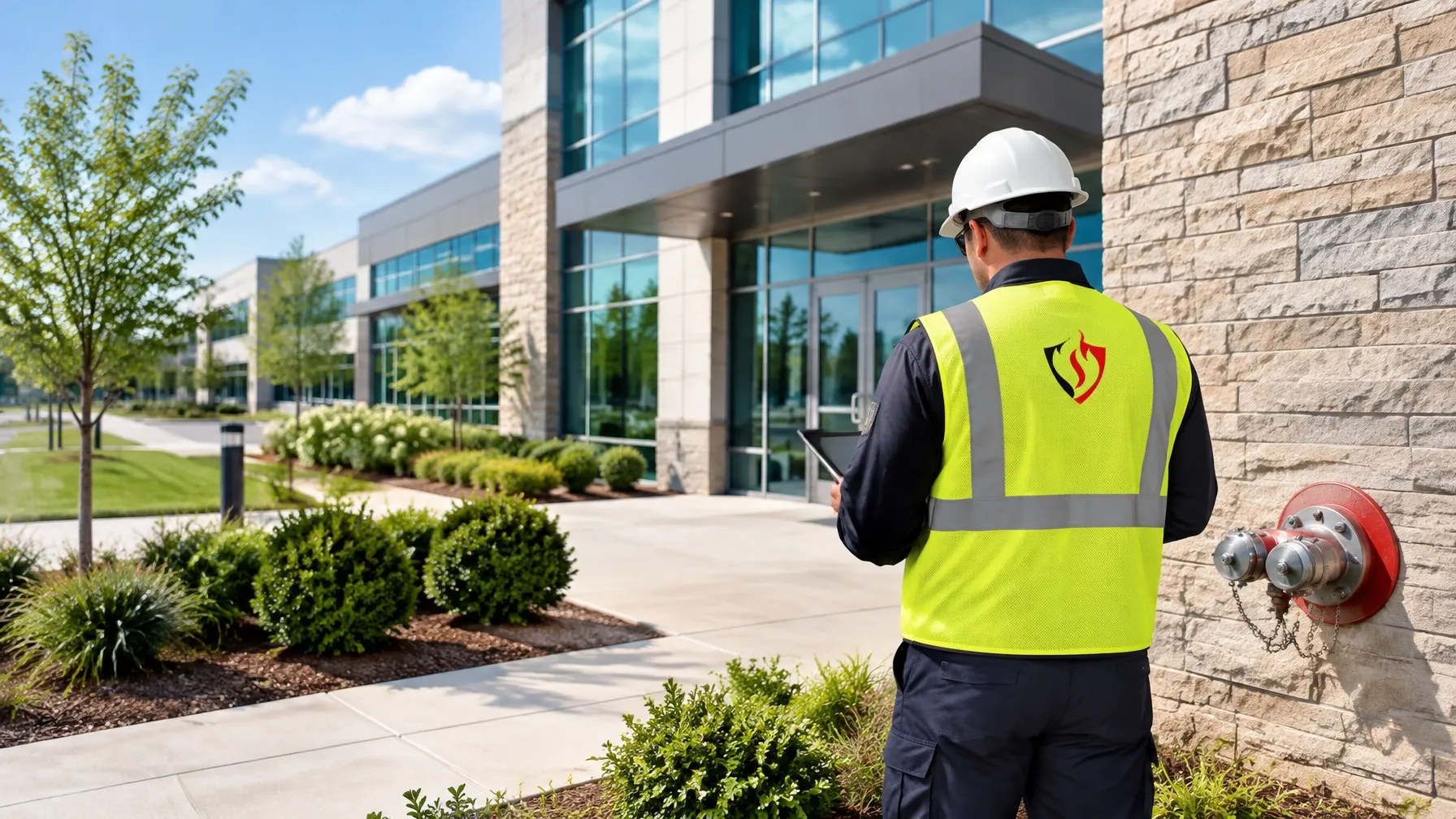
We support office owners and property managers with fire protection services tailored to occupied commercial buildings.
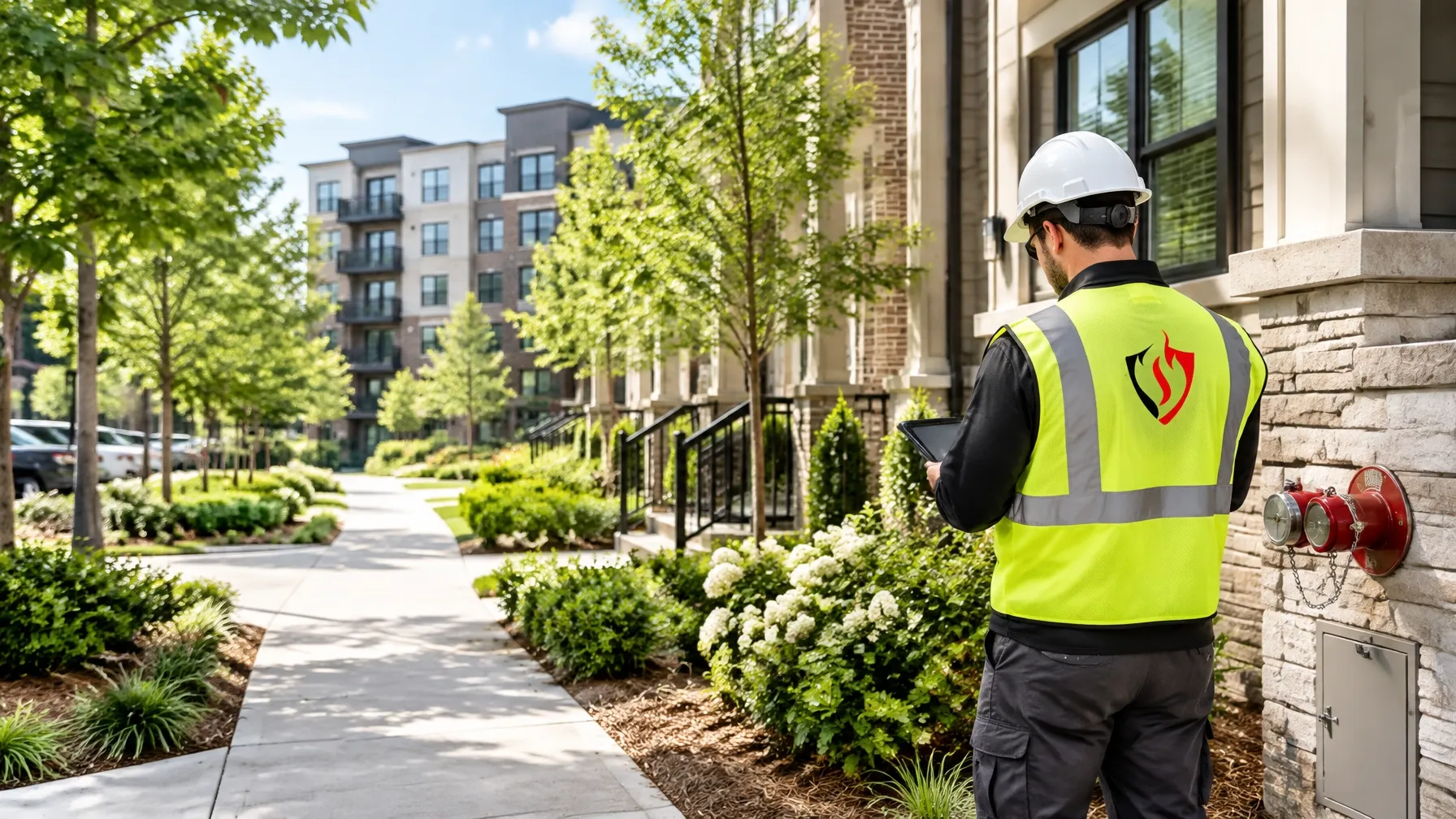
Safeway serves residential communities with fire protection support for shared buildings and common spaces.
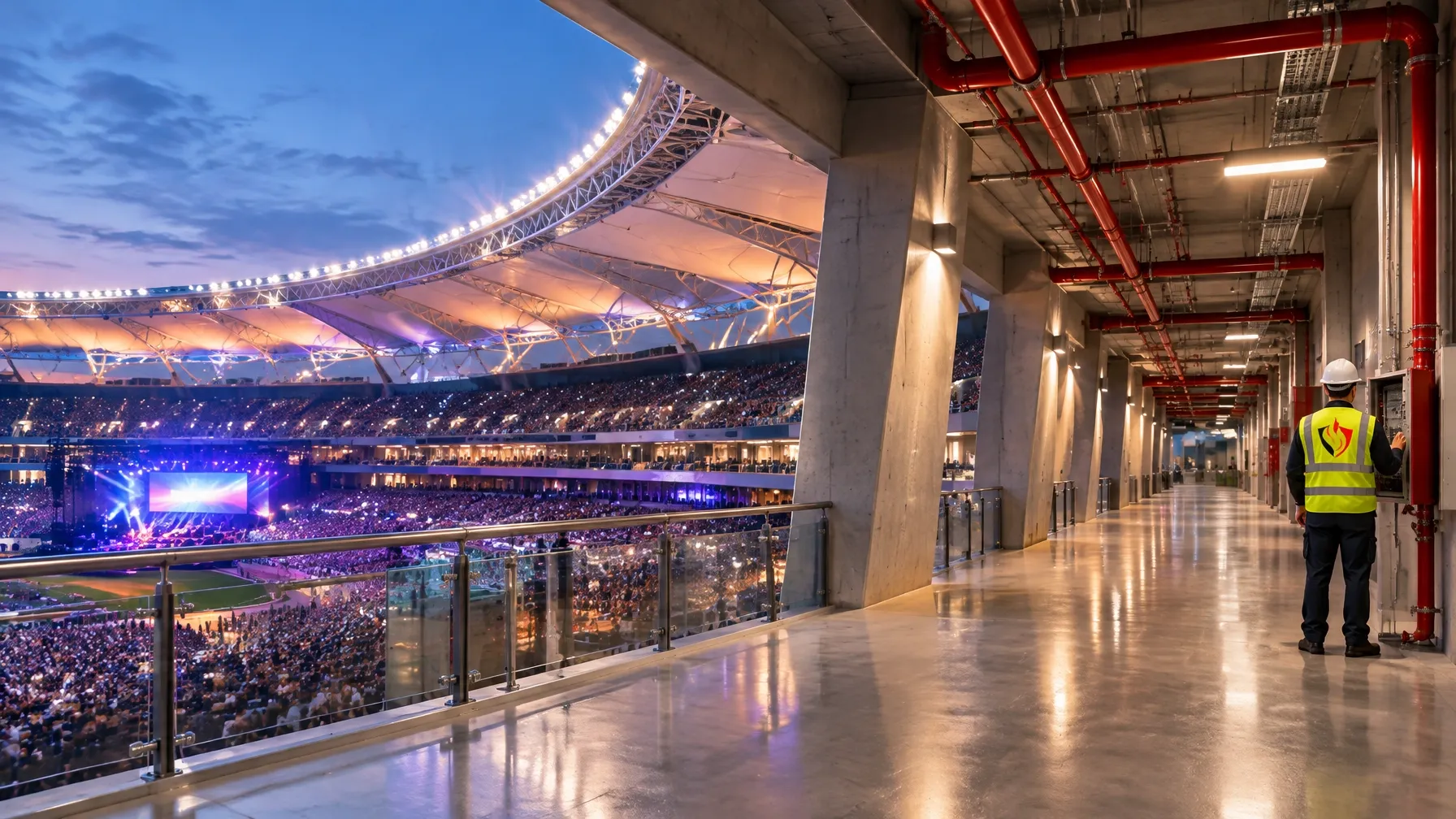
Large public venues rely on fire and life-safety systems designed to serve busy, high-occupancy spaces.

Mission-critical facilities need carefully maintained fire protection systems to support continuity and protect essential infrastructure.
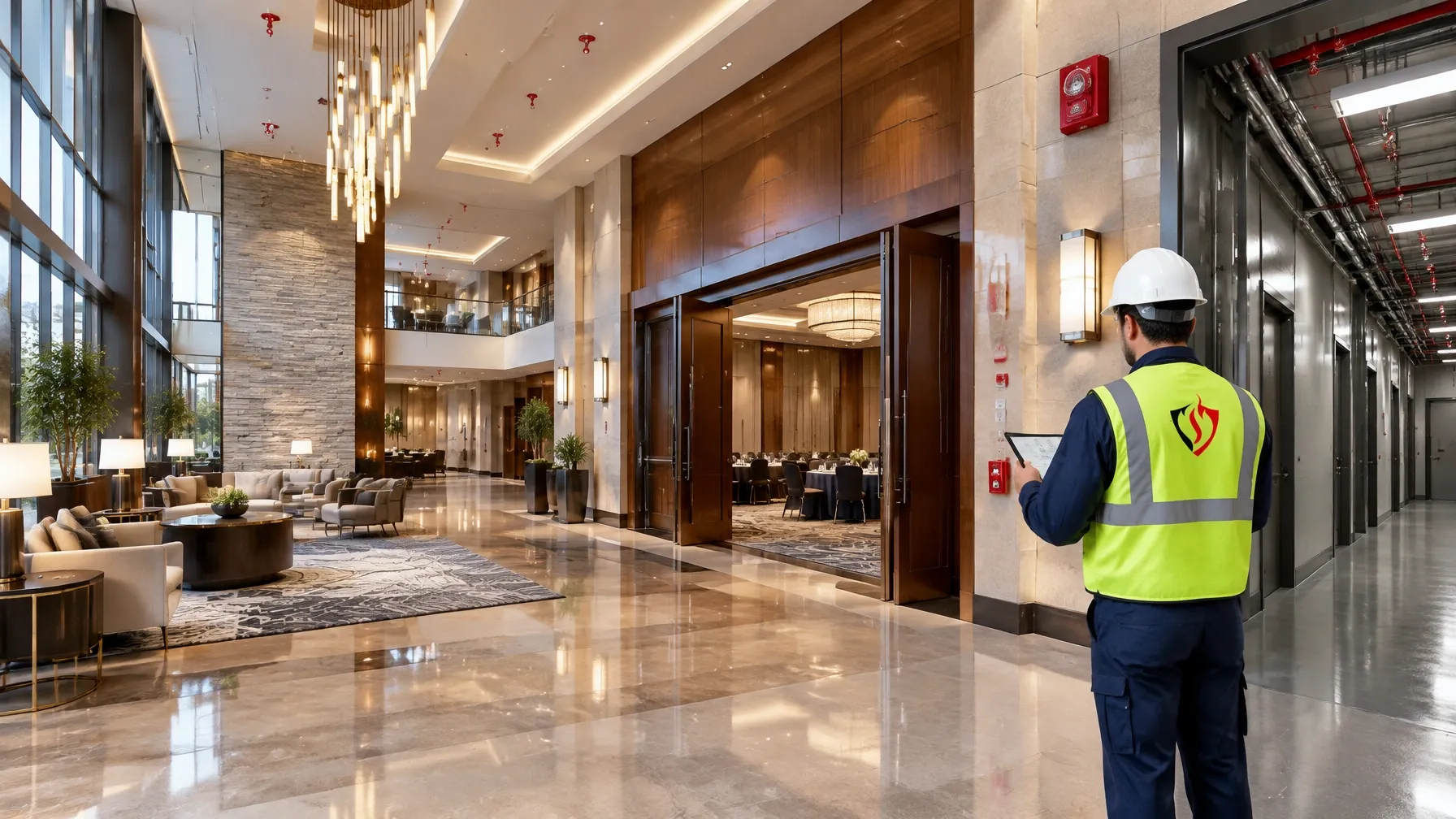
Hospitality and meeting spaces bring varied occupancies and building uses that depend on comprehensive fire and life-safety protection.
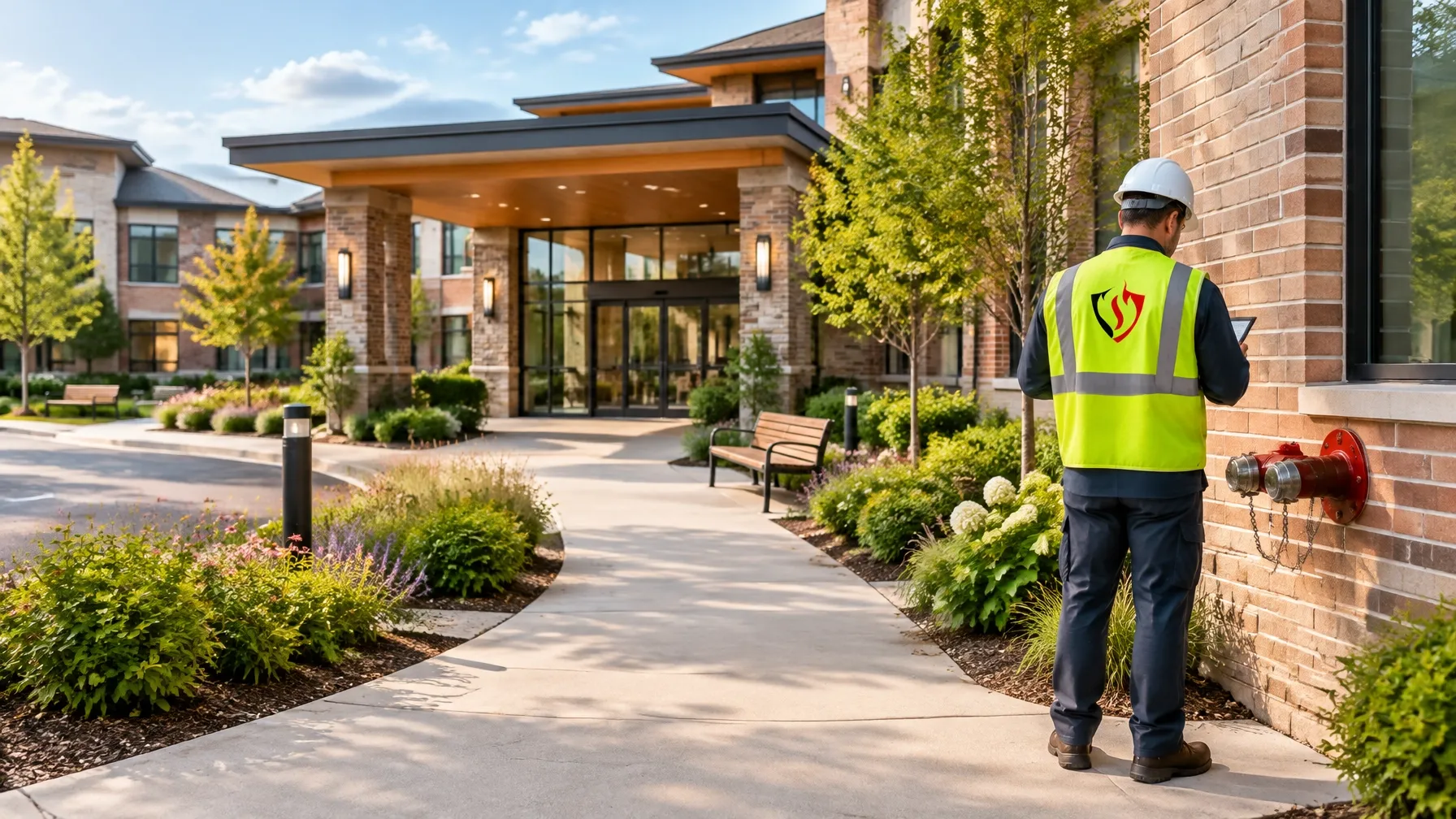
Senior living facilities benefit from dependable fire protection and inspection services tailored to occupied residential settings.
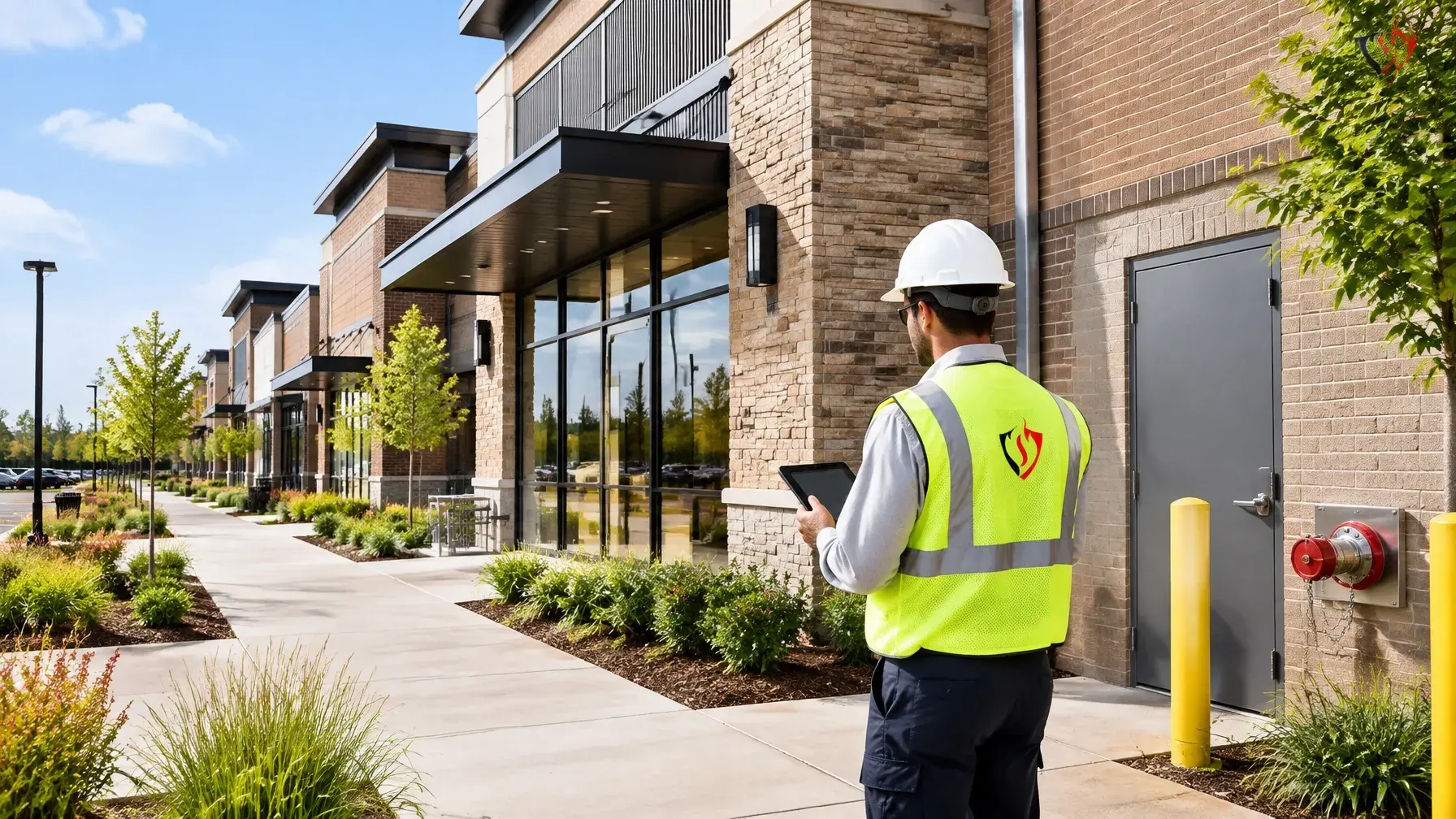
From individual tenant spaces to shared areas, retail properties need fire protection support across busy commercial environments.
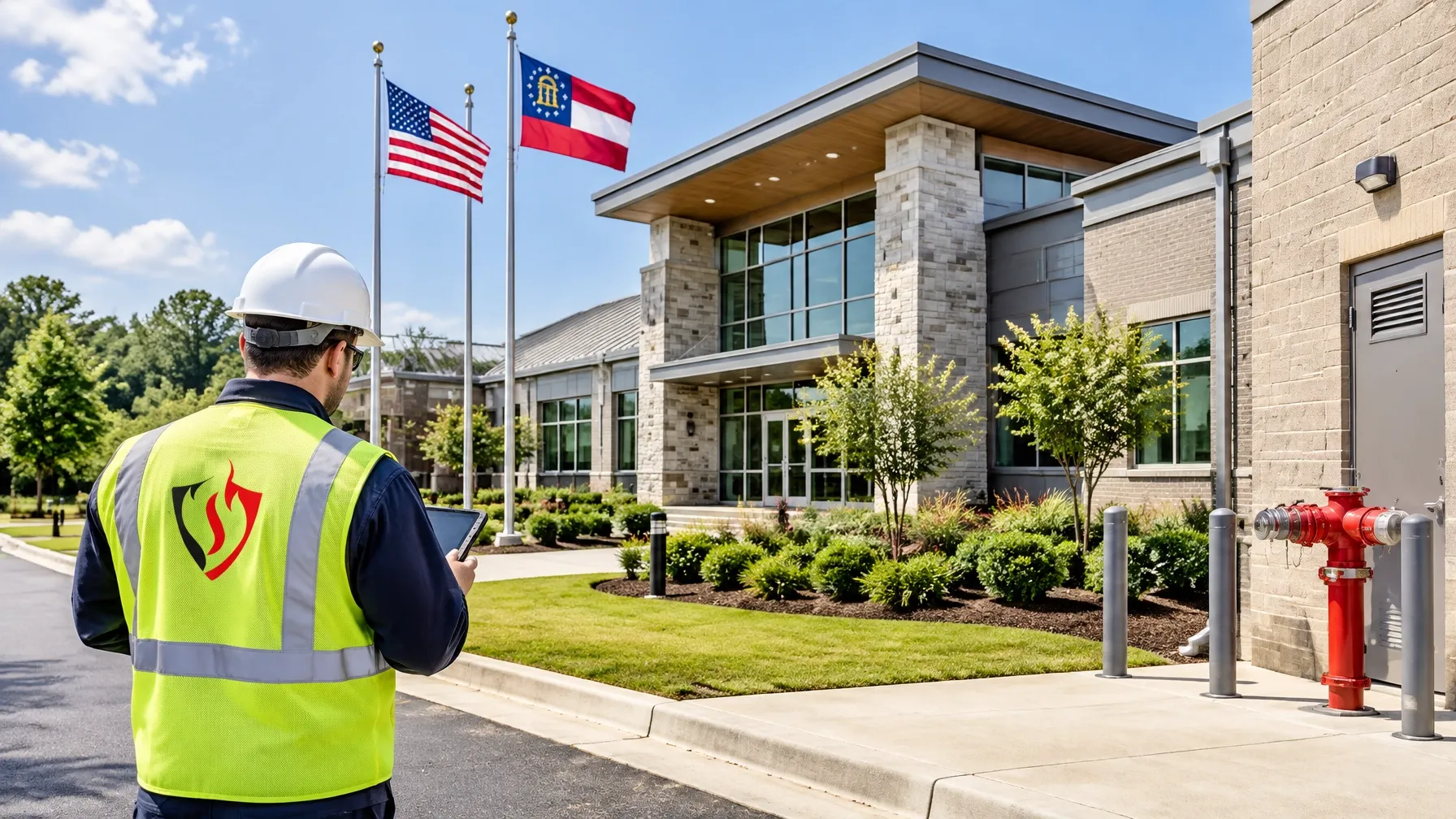
Public buildings rely on fire and life-safety systems that support the people and services they serve every day.
LATEST SAFETY UPDATE
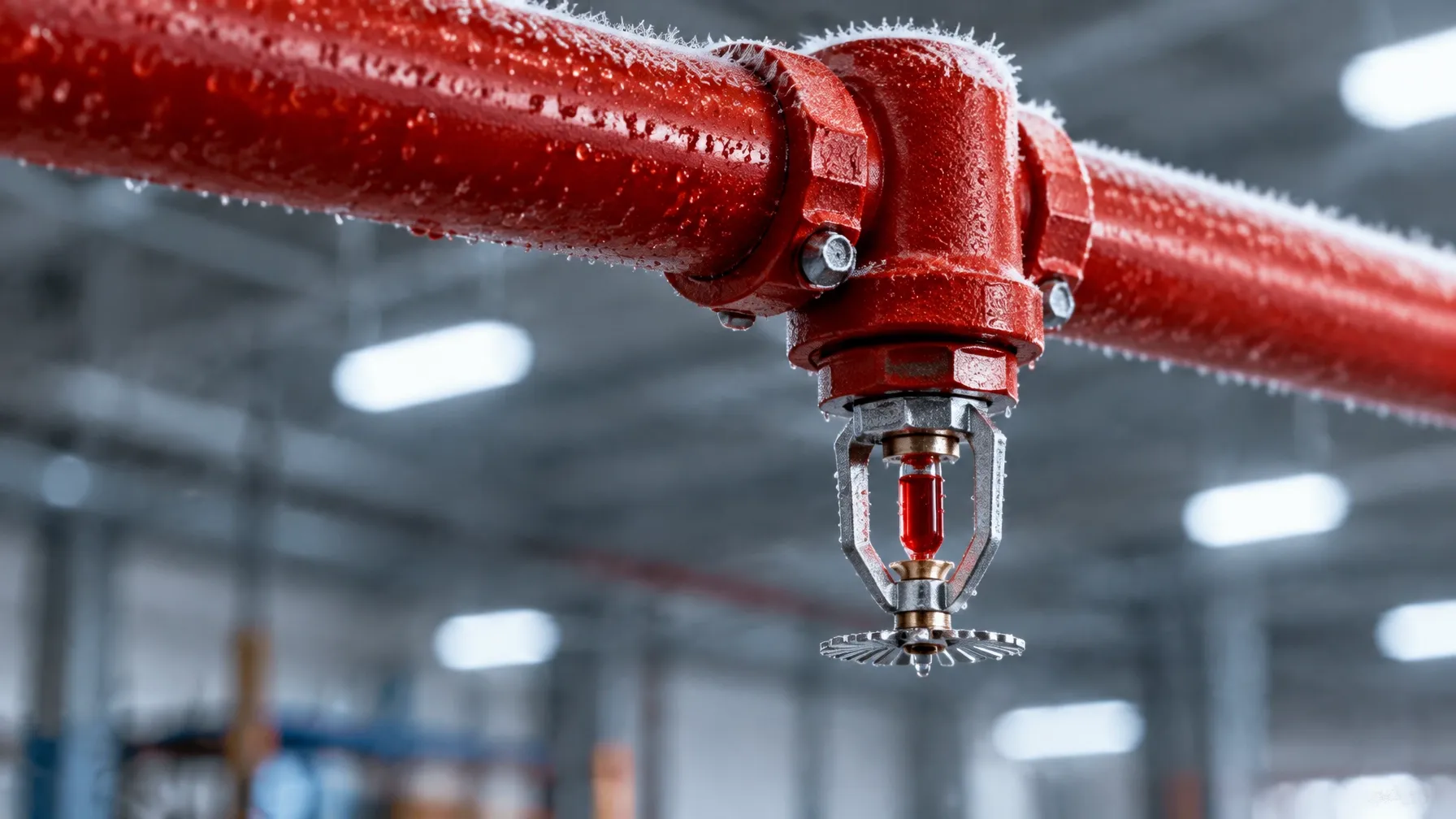
NOVEMBER 4, 2026 · SPRINKLER SYSTEMS
START A REQUEST
Tell us a little about what you need and our team will follow up.